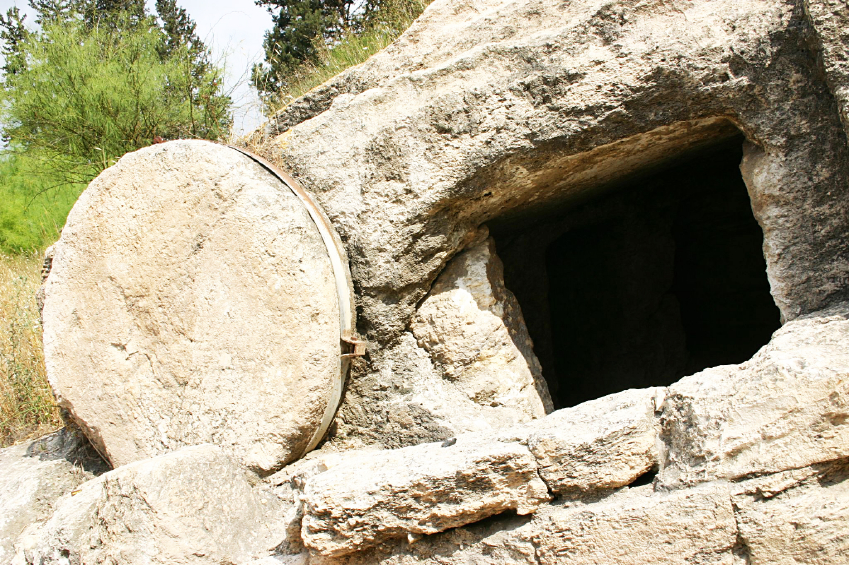
 Easter poses a special challenge to preachers. For almost 2000 years, people have proclaimed that “Jesus Christ is risen. He is risen indeed.” And in a variety of venues, pastors have tried to show the relevance of that profound statement to their congregations. After countless sermons and devotions, what else should be said? Isn’t there a danger of repeating oneself?
I heard a preacher once say, “I’ve preached multiple times on every character in the Easter story. If only God could have slipped in one more name, I would have another ten years of sermons.” The desire to find something original to say has even led to some to create fictionalized accounts of Jesus’ death and resurrection. I read a story once of a fourth wise man who shows up thirty-something years late. Instead of finding a baby in a manger, he encounters a crucified and then risen Christ. In another story, a Roman soldier investigates the missing body of Jesus. It’s like a first-century version of CSI where the soldier comes to faith in the end. Many of us even remember the story of the death of Jesus told from the perspective of the tree hewn to make the cross. The youth and children of APC performed a musical based on that story just a few years ago.
I see nothing wrong with making imagination a servant of faith, but I wonder why we are so worried about repeating ourselves. Jesus of Nazareth lived showing the compassion of God, calling the world to repentance. This Jesus is our Emmanuel – God with us. He was arrested for blasphemy and sedition, and the Romans crucified him. This act of betrayal and sacrifice had cosmic implications. It becomes the very avenue God uses to reconcile ourselves to Him. After three days, Jesus is raised making his victory complete. Death, sin, and evil are destroyed. Here is our good news: “O death, where is thy sting? O grave, where is thy victory?” (1 Cor 15:55).
Grace & Peace,
James Hodsden
 Pastor 139